

Marine ecosystems, the rich and complex webs of life under the sea, are facing more dangers than ever before. Most of these threats come from human activity and are causing fast and serious changes to these key environments. From tiny plankton to giant whales, many species and their homes are under heavy stress, which harms not only ocean life but also the health of our whole planet. Understanding these many different pressures is the first key step in protecting the ocean’s future.
The ocean covers about 71% of Earth’s surface. It is much more than a huge body of water. It is a life-support system, home to over 90% of all living species, producing about half of the oxygen we breathe, and soaking up large amounts of carbon dioxide from the air. For centuries, people have used the ocean for food, trade, travel, and sadly as a dumping ground for waste. Only recently have we really started to see how important the ocean is for life and for our climate. At the same time, we now see clearly that what we do on land and at sea is pushing these key ecosystems close to breaking point.
Major Threats to Marine Ecosystems
Climate Change Impacts
Climate change is one of the biggest dangers to marine ecosystems and harms them in many ways. Burning fossil fuels has raised levels of carbon dioxide in the air. The ocean absorbs about a third of this CO2. While this helps slow warming in the atmosphere, it causes another problem: ocean acidification. The ocean is now about 30% more acidic than it was before the Industrial Revolution. This is very harmful for animals that build shells or skeletons from carbonate, such as shellfish and corals. The carbonate they need becomes harder to get, making it difficult to grow and even causing deformities in young animals.
Rising temperatures are another serious issue. Ocean surface waters are warming four times faster than they did 40 years ago. Recent years have seen record ocean temperatures and widespread marine heatwaves, which cause events like coral bleaching. A major global coral bleaching event confirmed in 2024 by NOAA shows how severe this problem is. Warmer water also contributes to sea level rise, both from melting ice and from the expansion of water as it heats. This “coastal squeeze” threatens nesting and breeding areas along the shore. Sea walls and other human structures, built to protect homes and buildings, often block natural habitat from moving inland, making the problem worse.

Overfishing and Depleting Marine Resources
Heavy fishing for food and other uses has led to overfishing, which damages the balance of marine ecosystems. New fishing technology, bigger boats, and advanced tracking tools allow people to catch fish much faster than many species can reproduce. The UN Food and Agriculture Organization reports that overfished stocks have tripled in the last 50 years. This is not just about fewer fish; it changes whole food webs. When large predators disappear, it can cause chain reactions, such as “kina barrens,” where sea urchins take over because snapper and crayfish that usually eat them have been removed.
Certain fishing methods do direct harm to habitats. Dredging and bottom trawling tear up the seafloor and destroy plants and animals living there, similar to clear-cutting a forest. These methods also cause large amounts of “bycatch”-the accidental capture of non-target species, which are often thrown back dead. This reduces marine biodiversity and wastes life. Systems like New Zealand’s fishing quotas aim to manage stocks more wisely, but on a global scale, overfishing continues, often driven by illegal or unreported fishing and some government subsidies. This threatens ocean health and the people who depend on the sea for food and income.
Marine Pollution
For a long time, people have used the ocean as a place to dump waste, and the results are now clear. Billions of pounds of rubbish and pollutants reach the sea every year, mostly from human activities on land and along coasts. Marine pollution includes industrial runoff, sewage, farm chemicals, and spills. Dramatic events like oil spills get attention because of their sudden and visible damage-such as the Deepwater Horizon spill in 2010-but slow, ongoing pollution from many small sources often does even more long-term harm. Runoff from farms, roads, septic tanks, and logging areas carries a steady stream of contaminants into the sea.
These pollutants can build up in food webs. Bioaccumulation happens when toxic chemicals become more concentrated as they move up the chain from small organisms to top predators, including humans. Some chemicals, such as PFAS (Per- and polyfluoroalkyl substances), break down very slowly and have been found in many water sources, showing how widespread they are. The huge variety and volume of these pollutants harm water quality, weaken marine life, and create risks for human health and coastal economies.

Plastic Debris and Marine Litter
Plastic pollution is one of the most obvious and widespread threats to the ocean. An estimated 1.7 million tons of plastic enter the sea each year, and this amount may double or triple by 2040. This is not just an eyesore; it is a serious ecological problem. Items such as bottles, bags, and packaging can trap animals or be mistaken for food. Sea turtles often get tangled in plastic, and many species eat plastic pieces, which can cause choking, infections, and internal damage. Over 90% of seabirds are thought to have plastic in their stomachs, and deep-sea fish have been found with plastic fibers inside them.
Larger plastic items break down into smaller pieces called microplastics (less than 5 mm) and nurdles (small plastic pellets used as raw material). These tiny pieces are eaten by small fish and other low-level organisms. As predators eat these animals, plastics and their chemicals move up the food chain. This can harm the entire ecosystem and eventually affect human health through seafood. In areas where ocean currents meet, plastics and other debris gather into “garbage patches.” These are not solid islands of trash but huge regions where floating waste is spread from the surface down to the seafloor. Most marine litter starts on land, which shows how important better waste management and lower plastic use are.
Eutrophication and Nutrient Overload
Eutrophication is what happens when too many nutrients enter an ecosystem. Nitrogen and phosphorus are necessary for life, but when they are present in very high amounts, they cause serious harm. Extra nutrients often come from fertilizers used in intensive farming. Rain and runoff wash them into rivers and then into the sea. Once in the water, they act like a strong fertilizer, making phytoplankton grow extremely fast and form huge “blooms.”
Some blooms are natural, but extreme ones can be damaging. When the bloom uses up the nutrients, the organisms die. Bacteria then break down this dead material and use up large amounts of oxygen in the water. This causes oxygen levels to drop so low that fish and other animals cannot survive. These low-oxygen “dead zones” either drive creatures away or cause mass die-offs. Some bloom species also release toxins that can poison marine animals and people who eat contaminated seafood or swim in affected water. Eutrophication changes which plants and animals can live in an area and usually leads to lower biodiversity.

Sedimentation and Seafloor Damage
Sedimentation is the buildup of fine particles like silt and mud on the seafloor. While this happens naturally, human actions can greatly speed it up. Clearing land for houses, industry, and farming, along with deforestation, causes more soil and rock to erode. Rain and rivers then carry this material into estuaries and coastal waters. Too much sediment causes several problems.
It can bury the seabed and kill animals living in or on the mud, wiping out whole communities. Fine sediments in the water make it cloudy and block sunlight. This hurts plants like seagrass that need light to photosynthesize and grow. Seagrass beds, which store large amounts of carbon and provide nursery grounds for many species, are shrinking quickly around the world. Cloudy water also makes it harder for predators that rely on sight-such as some fish and seabirds-to find food. Sediments can also carry poisons and heavy metals from land, adding another layer of pollution that affects both marine life and people.
Habitat Destruction and Coastal Development
Destroying and damaging marine habitats is a direct threat that is often hard or impossible to reverse. Human population growth and economic development drive many of these changes. Coastal development-such as building marinas, farms, housing, and industrial areas-often involves reclaiming land from the sea, which destroys important habitats. Bridges and causeways across estuaries can change natural water flows and disturb sensitive areas. Sand mining for construction and channel dredging remove the living spaces of many organisms.
Dumping rubbish also buries habitats, while waste from fish farms can damage nearby ecosystems. Boat anchors, trawl nets, fishing gear, and seabed mining can all scar and break delicate seafloor communities that may never fully recover. For example, bryozoan thickets, which act as nurseries for shellfish larvae, can lose their function once damaged. When habitats are lost or badly degraded, they are more open to other problems like sedimentation, disease, and invasive species. They also support fewer species and provide fewer ecosystem services.
Introduction of Invasive Species
Marine ecosystems have developed over millions of years, with species adapting to each other and their environment. Invasive species-organisms that arrive from elsewhere and spread-can upset this balance. Once they establish themselves, they may cause serious environmental and economic harm. They often grow and reproduce quickly, have few or no natural enemies in their new area, and can outcompete native species for food, space, and shelter. In some cases they can cause physical harm to habitats or spread disease, wiping out local species.
Human activities help move invasive species around. Ships can carry them on their hulls, in ballast water, or on equipment. Once they arrive, it is very hard or even impossible to get rid of them. One example is the invasive tubeworm that clogs pipes in the Hauraki Gulf. Another is Undaria, a seaweed first recorded in New Zealand in 1987. Each mature Undaria plant can release about 700 million spores, making removal extremely difficult. Strong biosecurity rules and checks on ships and ballast water are key tools for stopping new invasions and protecting native marine life.
Ocean Noise and Vessel Strikes
Noise pollution in the ocean is an invisible but growing threat. Many marine animals depend on sound for survival. Whales, dolphins, and some fish use sound to find food, communicate, move through the water, and locate mates. Human activities such as shipping, military sonar, and seismic surveys for oil and gas exploration create loud underwater noise. This constant background roar can confuse, disturb, or scare marine animals. It may stop them from feeding, mating, or caring for their young, raise their stress levels, damage their hearing, and in severe cases lead to death.
Vessel strikes are another serious problem linked to shipping. These collisions between boats and marine animals can involve anything from large cargo ships to small recreational craft. Whales, which often swim near the surface, are especially at risk. Many collisions go unreported; research suggests that for every whale found dead from a ship strike, about 20 more are missed. Ship strikes have helped drive down numbers of several whale species, including the North Atlantic right whale, of which only about 370 remain as of 2025. Slowing ship speeds and changing shipping routes in key areas can cut both noise pollution and the risk of lethal collisions.
Sources and Causes of Marine Ecosystem Threats
Knowing where marine threats come from helps us deal with them better. The causes form a tangled web, but they can roughly be grouped by whether they start on land or at sea. The ocean is tied closely to what we do everywhere, even far inland.
For a long time, many people saw the ocean as endless and able to absorb anything. Only more recently has its true role in supporting life and controlling climate become widely recognized. This new understanding highlights the urgent need to change how we act-on land and at sea-to protect marine ecosystems for the future.
Activities on Land: Agricultural Runoff and Urban Waste
About 80% of marine pollution comes from land-based activities, showing how strongly our lives on land affect the sea. A major form is nonpoint source pollution. This is pollution that does not come from one single pipe or outlet but from many smaller sources, spread out over large areas and carried by runoff to rivers and coasts. Agricultural runoff is a leading example. Pesticides that kill insects on farms can be poisonous to marine life as well. These chemicals lower oxygen in coastal waters and kill plants and shellfish. Fertilizers rich in nitrogen and phosphorus wash off fields and support eutrophication and harmful algal blooms, which create large dead zones.
Urban waste and wastewater add further stress. Sewage, industrial runoff, and chemicals from factories flow into rivers and then into the ocean. Poor waste handling and littering allow billions of pounds of plastic and other trash to reach marine waters each year. Pollutants released into the air from car exhaust and factories also settle into coastal waters, making them more acidic and harming shell-building organisms. These land-based activities quickly alter whole marine systems. This means people everywhere, whether they live on the coast or far inland, play a part in both the cause and the solution to ocean pollution.
Activities at Sea: Fishing, Shipping, and Industry
Human activities on the water also place heavy pressure on marine ecosystems. Fishing provides food and jobs, but when done unsustainably it leads to overfishing, breaks food webs, and harms habitats. Destructive methods like bottom trawling and dredging scrape and plough the seafloor, destroying habitats and catching many non-target species. Lost or abandoned nets, lines, and traps become “ghost gear” that go on catching and killing for years.
Shipping and marine transport add several other threats. Ships are a major source of underwater noise, which disrupts species that rely on sound. Vessel strikes kill marine mammals like whales and can affect whole populations. Ships also spread invasive species by moving them in ballast water or on hulls. Oil spills from tankers-though less common than ongoing small-scale pollution-can cause huge and long-lasting damage, as seen with Deepwater Horizon. Offshore drilling, seabed mining, and other industrial work at sea also risk spills and physical damage to sensitive habitats.
How Do These Threats Affect Marine Ecosystems?
The combined effect of all these pressures is larger than each one on its own. Many threats interact and make each other worse, leading to complex results that are sometimes hard to predict. The ocean, though vast and often resilient, is showing clear signs of stress, with serious consequences for both marine life and people.
As kaitiaki, or guardians of the sea, people need to understand not only what the threats are, but also how they change marine life and the benefits the ocean provides. Our health is closely linked to the health of the ocean, and harm to marine ecosystems spreads out into every part of life on Earth.
Disruption of Species Balance
Marine ecosystems have developed over long periods into a balance where each species has a role in the food web. Modern threats are breaking this balance. Overfishing, for example, removes top predators and large mature fish, which are often better hunters and produce more eggs. When these fish disappear, prey species can multiply quickly or, in other cases, other predators may lack food, shifting the entire structure of the ecosystem. These changes, called trophic cascades, can move through several levels of the food web.
Invasive species add more pressure. Free from their usual predators, they can spread fast, take over key habitats, and push out native species. Some carry diseases or change the environment in ways local species cannot handle. Climate change also reshapes species ranges. As water warms, tropical species move into higher latitudes, competing with or replacing native species that cannot easily move or adapt. When species either disappear or fall so low in number that they no longer play their normal roles, the whole ecosystem becomes weaker and less able to cope with new stresses.
Loss of Biodiversity and Habitats
One of the most serious results of marine threats is the loss of biodiversity and habitats. Biodiversity-the variety of species and genes-helps keep ecosystems stable and healthy. When habitats are damaged or destroyed, the species that need them lose places to feed, hide, and breed. This often leads to declining populations and higher chances of extinction. Around 22% of marine mammals and about 90% of seabirds are currently at risk of extinction, reflecting the heavy pressure on marine systems.
Habitat loss happens in many ways: seafloor damage from trawling and dredging, burial of bed communities by sediment, and the loss of coastal habitats like mangroves, saltmarshes, and seagrass beds due to construction and sea level rise. Coral reefs, sometimes called the “rainforests of the sea” because of their high biodiversity, are especially vulnerable to warming and acidification. Bleaching events and disease can wipe out large reef areas. When these key habitats decline, many other species lose essential support, and entire food webs can collapse. This reduces the ocean’s ability to support fisheries, store carbon, and protect coasts.
Impacts on Ocean Health and Food Chains
Ocean health depends on many physical, chemical, and biological factors. Climate change and pollution are altering all of these. Warmer water can increase harmful algal blooms and create better conditions for bacteria and parasites, raising disease rates across marine species. In warmer conditions, zooplankton-the tiny animals that are a key food source for many fish-often grow smaller and store less fat. This means less energy is available for the fish, birds, and mammals that eat them, affecting growth, survival, and reproduction.
Chemical and plastic pollution also weaken marine food webs. Toxins build up in animals and become more concentrated higher up the chain. Large predators, including humans, can receive high doses of harmful chemicals by eating contaminated seafood. Microplastics and the substances that cling to them are eaten by small organisms and passed on to larger ones. Dead zones caused by eutrophication remove large areas of habitat from the food web by stripping oxygen from the water. When links in the chain are broken or weakened, the whole network of life in the ocean becomes more fragile.
Risks to Human Health and Economic Activities
Damage to marine ecosystems also harms people directly. Many communities depend on fish and other seafood as a main source of protein and livelihood. Overfishing and declining ocean health threaten food security and incomes, especially in coastal and island regions. Pollutants like mercury and other heavy metals, as well as industrial chemicals, can build up in fish and shellfish, making them unsafe to eat and leading to health warnings and trade losses.
Coastal pollution and harmful algal blooms can close beaches and shellfish farms, hitting tourism and aquaculture hard. Tourism based on clean beaches, coral reefs, and marine wildlife brings in billions of dollars each year and supports many jobs. As these natural attractions decline, so does this income. The ocean is also a source of new medicines and other useful compounds; losing species means losing potential cures and products. Plastic in the ocean alone is estimated to cost the global economy about $13 billion per year in clean-up efforts and losses to fisheries and tourism. A healthy ocean supports human health, stable economies, and social well-being.
What Can Be Done to Reduce Marine Ecosystem Threats?
The problems facing marine ecosystems may seem overwhelming, but they can be reduced. Solutions must come from many levels: personal choices, community projects, changes in industry, and international agreements. Nature can often recover if we reduce pressure and give it time. Our goal should be to act with care and reduce harm wherever we can, so marine life has room to recover and adapt.
The need to act is urgent. The ocean faces rising eutrophication, acidification, warming, and pollution. Present efforts are still not enough, but momentum is growing. Global meetings like the UN Ocean Conference bring together governments, scientists, businesses, and communities to agree on stronger action and better protection. By learning what works and putting it into practice, we can move toward a healthier ocean and a more sustainable future.
Sustainable Fishing and Resource Management
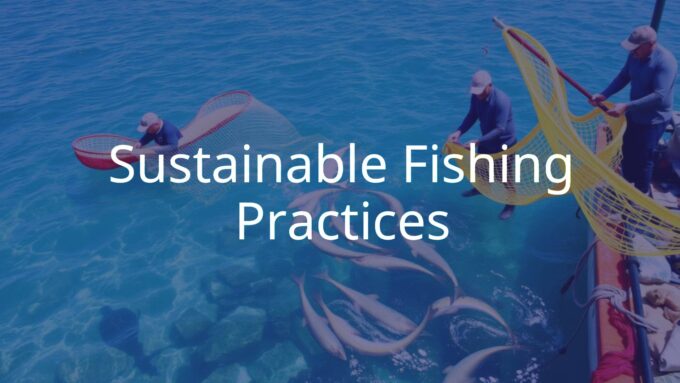
To deal with overfishing and resource decline, we need a clear shift toward sustainable fishing and strong resource management. This means basing decisions on science and setting harvest levels that allow fish stocks to recover and stay healthy. Quota systems, such as those used in New Zealand, limit catches of key species to keep them within safe bounds. These systems must be used widely and backed by monitoring and enforcement to fight illegal, unreported, and unregulated fishing, which undermines honest fishers and harms ecosystems.
It is also important to cut down on destructive fishing methods. Moving away from bottom trawling, for example, can protect fragile seafloor habitats. New technologies can help: smarter gear that targets certain depths or areas, artificial intelligence tools that identify species in real time, and lighter gear that causes less damage can all reduce harm and bycatch. Simple steps like attaching green LED lights to gillnets can reduce turtle bycatch. Supporting small-scale fishers and involving them in planning can promote both livelihoods and more careful practices. Healthy fisheries depend on healthy ecosystems, so resource management must look beyond single species and consider the wider environment.
Pollution Prevention and Waste Reduction
Cutting pollution and reducing waste are key to restoring ocean health. Since most marine pollution comes from land, changes on land can have a big impact. Tackling plastic waste is a high priority. This includes phasing out many single-use plastics, building better recycling systems, and promoting reuse. People can help by refusing plastic bags and straws, using refillable bottles and containers, and buying second-hand or low-packaging products. Projects like The Flipflopi Project in East Africa, which builds boats from recycled plastics, show how creative ideas can drive change.
Other forms of pollution also need attention. Farmers can adopt methods that use fewer pesticides and fertilizers, such as precision application and buffer zones along waterways. Cities can improve wastewater treatment and stormwater systems to keep sewage and chemicals out of rivers and coasts. Factories need stricter controls on toxic discharges and carbon emissions. Household actions matter too: never pouring chemicals, oils, or rubbish into drains, and choosing less harmful cleaning and garden products. Strong rules and safety standards for oil and chemical transport help prevent spills, and well-practiced response plans limit damage when accidents do occur. Across society, a shared commitment to cutting waste and treating water and land with care can greatly reduce the load on the ocean.
Restoring and Protecting Habitats
Stopping further damage is only part of the job; actively restoring and protecting habitats is also necessary. Marine Protected Areas (MPAs) are one of the most effective tools we have. In MPAs, activities like fishing and mining may be limited or banned, giving ecosystems a chance to recover. Life inside well-managed MPAs often becomes more abundant and diverse, and this benefit can spread to nearby areas. Although MPA coverage has grown, only 8.4% of the ocean is currently under some form of protection, which is still far from the 30% target set for 2030.
Beyond protection, many places need hands-on restoration. This might include replanting seagrass beds, rebuilding oyster reefs, or restoring damaged coral reefs using coral gardening and other methods. It also means tackling the causes of damage. Better land-use planning and erosion control can reduce sedimentation. Smarter coastal development-such as using “living shorelines” instead of hard sea walls-can protect both people and habitats. Reducing other stresses in and around protected areas, such as noise, pollution, and bycatch, makes restoration work more effective. Connected networks of healthy habitats give species more space and options to adapt to warming and acidification.

Monitoring, Policy, and International Cooperation
Reducing threats to marine ecosystems needs good information, strong laws, and collaboration across borders. Scientific monitoring lets us track fish stocks, measure pollution levels, and spot changes in habitats and species. With this information, managers can adjust rules and respond before problems get worse. Agencies like NOAA use ecological forecasting to predict harmful algal blooms and other events, helping communities and industries prepare.
Policy turns this knowledge into action. Governments can create rules to limit ship noise, restrict damaging fishing methods, remove harmful subsidies, and improve waste and wastewater systems. Because currents and migratory species cross national borders, no country can protect the ocean on its own. Global agreements, such as the Biodiversity Beyond National Jurisdiction (BBNJ) Agreement, provide legal tools to manage activities in the high seas and deep ocean. The UN’s Sustainable Development Goal 14 sets clear ocean-related targets on pollution, habitat protection, and sustainable fisheries. High-level meetings like the 2025 UN Ocean Conference help keep ocean issues on the agenda, encourage new pledges, and push for joint action among governments, industries, and scientists.
| Key Action Area | Main Tools | Expected Benefits |
|---|---|---|
| Sustainable fishing | Quotas, bycatch reduction, gear innovation | Rebuilt fish stocks, stable livelihoods |
| Pollution control | Plastic bans, better farming, improved wastewater | Cleaner water, safer seafood, fewer dead zones |
| Habitat protection | MPAs, restoration projects, careful coastal planning | More biodiversity, stronger coastal defenses |
| Global cooperation | International treaties, shared data | Coherent action across borders |
Individual Actions to Support Ocean Health
System-level changes are necessary, but individual choices matter too, especially when many people act together. Everyone, no matter where they live, affects the ocean in some way. Reducing personal plastic use is one of the most direct steps. Choosing reusable bags, bottles, and containers, avoiding single-use plastics, and supporting companies that cut plastic packaging all help lower plastic pollution.
Choosing seafood wisely is another direct contribution. Consumers can look for labels and guides that point to well-managed, sustainable fisheries. Learning more about ocean issues and discussing them with friends, family, and community leaders can build support for better policies. Joining local beach or river clean-ups, backing conservation groups, or taking part in citizen science-such as recording wildlife sightings or water quality-can have real, on-the-ground impact. Finally, shrinking one’s carbon footprint by using public transport, cycling or walking when possible, saving energy at home, and cutting unnecessary consumption helps slow climate change and ocean acidification. Many small actions, repeated day after day by many people, can add up to meaningful help for marine ecosystems.







Leave a comment