

Biodiversity is the full variety of life on Earth: all species, their genes, and the ecosystems they form. This rich web of life is now in serious trouble. The main causes of this rapid decline are human-driven: clearing and breaking up habitats, overusing natural resources, widespread pollution, the spread of invasive species, and climate change. A 2021 UN report warns that species are disappearing faster than ever before, with about one million animal and plant species at risk of extinction, many possibly disappearing within the next few years.
The effects go far beyond the loss of any single species. Biodiversity supports how ecosystems work and stay stable. It provides key services like clean air, carbon storage, and pollination, which are central to human health and survival. When biodiversity drops, these services weaken. This can harm food supplies, medicine, and our ability to cope with natural disasters. Understanding the many causes of biodiversity loss is the first important step in building real solutions that protect the planet’s natural life-support systems.
What Are the Main Causes of Biodiversity Loss?
Life on Earth is under pressure from many directions, and human actions are the strongest and fastest-growing cause of biodiversity loss. While nature has always gone through changes in species numbers, the current rate of loss is far beyond what we see in recent geological records and is pushing many species towards permanent extinction.
Habitat Destruction and Land-use Change
One of the most serious and direct threats to biodiversity is the ongoing destruction and breaking up of natural habitats. This happens when people turn wild areas into farms, cities, roads, and other developments to support a growing population and rising consumption. Forests are especially at risk. They host more than 80% of all land-based animals, plants, and insects. Between 2010 and 2015 alone, human activity destroyed at least 3.3 million hectares of forest. This deforestation feeds industries like cattle ranching, logging for paper and timber, and coastal building for expanding towns and cities.
The damage from habitat loss is wide-ranging. When natural areas are cleared, animals and plants lose living space, food, and safe places to breed. This sparks more competition between the species that remain, lowering their numbers and often killing those that cannot escape machinery and other disturbances. Breaking habitats into small, isolated patches also traps species in separated pockets. They can no longer move freely across their normal range, which cuts down genetic diversity. With less genetic variety, populations are more likely to be wiped out by disease or changes in the environment. Turning complex natural habitats into simple systems like single-crop farms reduces the variety of roles and spaces (niches) available, making ecosystems weaker and less able to cope with shocks.
Overexploitation and Unsustainable Resource Use
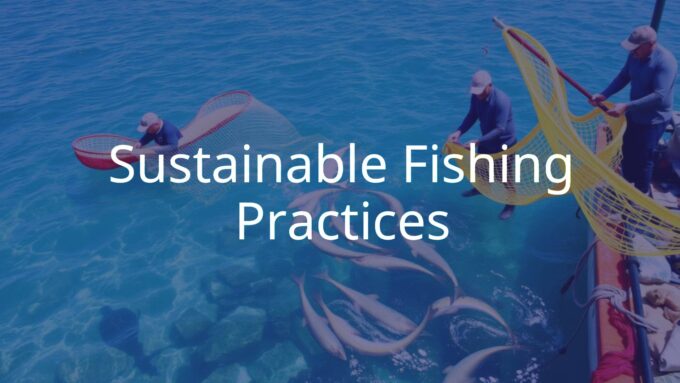
Human demand for food, materials, and other resources often goes far beyond what nature can replace. This overuse drives many species towards collapse. A clear example is overfishing, where fish are caught faster than they can reproduce. From 1961 to 2016, global fish consumption per person rose much faster than the human population, helping cause a 39% drop in marine species. Harmful fishing methods like bottom trawling make things worse by tearing up sea-floor habitats that many species need as nursery grounds. Bycatch, the capture of unwanted species that are then thrown away, kills about 38.5 million tonnes of sea life every year.
On land and at sea, the illegal wildlife trade is another major threat. Millions of animals from thousands of species are taken or killed every year for meat, trophies, luxury goods, ornaments, and unproven medicines. Well-known animals such as rhinos and elephants are hunted for horns and ivory, while tigers are killed for their skins. History shows many species driven to extinction by overuse, including the Passenger pigeon, Tasmanian tiger, and Steller’s sea cow. Conservation work has reduced poaching in some places, but the overall pressure is still high, especially with illegal fishing and the reopening of some protected marine areas for commercial use.
Pollution and Contaminant Exposure
Pollution in air, water, and soil is another major driver of biodiversity loss. When harmful substances or forms of energy enter the environment faster than natural systems can break them down, conditions become toxic for many forms of life. Polluted habitats can weaken or kill organisms directly, and pollution can also make them more prone to disease and predators. Chemicals like pesticides and heavy metals build up in organisms (bioaccumulation) and increase in concentration as they move up the food chain (biomagnification), harming predators at higher levels too.
Oceans are suffering badly. Plastic pollution has increased tenfold since 1980 and now harms at least 267 species, including 86% of sea turtles, 44% of seabirds, and 43% of marine mammals. Animals can get tangled in plastic or die after eating it. Floating plastics can also carry marine organisms across oceans, helping invasive species reach new areas.
Another serious problem is excess nitrogen from farming and industry settling out of the air onto land and water, which can upset nutrient balances and harm many plant and animal communities. The continued use of broad-spectrum insecticides also cuts down insect and plant numbers, disturbing key interactions such as pollination.
Invasive Species Introduction
Invasive species are plants, animals, or other organisms that arrive in a new area, spread, and cause damage to local ecosystems. Global trade and travel have sharply increased the rate at which species move beyond their native ranges. Once established, these newcomers can crowd out local species for food, space, and other resources, prey on them, or spread new diseases to which native species have no resistance.
One of the best-known examples is the brown tree snake brought accidentally to Guam in the 1950s. Within about 20 years, it wiped out 10 of the island’s native forest bird species. This loss then affected insects, pollinators, and native plants, causing a widespread breakdown of the original ecosystem.
Invasive species play a role in about 60% of known extinctions, and the damage they cause to nature and economies costs more than US$423 billion every year. Their impacts often grow worse when combined with other pressures like rising temperatures and habitat loss.
Climate Change and Global Warming
Climate change, mostly caused by burning fossil fuels and other actions that release greenhouse gases, is becoming one of the biggest drivers of biodiversity loss. Since 1980, greenhouse gas emissions have doubled, and the average global temperature has risen by at least 0.7°C. Many species cannot keep up with these rapid changes by adapting or moving, so they are forced into unsuitable areas or die off.
The effects can be seen worldwide. Coral reefs are dying from warmer waters and ocean acidification. Mountain and polar ecosystems are changing quickly as ice melts and temperature zones shift, threatening species that depend on cold conditions. A 2004 study estimated that millions of species could face extinction within 50 years due to climate change. Destroying forests, wetlands, and other carbon-rich habitats also makes climate change worse by cutting down nature’s capacity to absorb and store carbon. Experts stress that climate change and biodiversity loss are tightly linked problems and must be tackled together.
Other Contributing Factors
Beyond the five main drivers, several other factors add to biodiversity loss. Disease is one of them, especially when human activity brings wildlife, livestock, and people into closer contact. When new microbes enter an ecosystem, local species often lack defenses, and outbreaks can wipe out large parts of populations. Genetic pollution is another concern: when genetically modified organisms or hybrids mix with wild populations, unique local gene pools can be diluted, reducing the ability of species to adapt to future changes.
Ocean acidification, caused by the sea absorbing more carbon dioxide from the atmosphere, makes it harder for corals, plankton, and shell-forming animals to build and maintain their skeletons and shells. As these organisms decline, the species that depend on them for food or shelter are also affected. Practices that simplify ecosystems, such as large-scale monoculture farming, reduce the number of species and make natural systems less able to recover from disturbances.
Natural vs. Human-driven Causes
There is a difference between normal changes in biodiversity and the current human-driven crisis. Natural systems go through cycles in which species numbers rise and fall, influenced by seasons, natural events like fires or floods, and long-term shifts in vegetation and landforms. These changes are usually local or regional and tend to be temporary. Over time, ecosystems have ways to recover.
By contrast, human-caused biodiversity loss is deeper and lasts longer. The speed and scale of habitat destruction, pollution, and climate change are greater than what ecosystems can handle. This leads to lasting damage and permanent changes in how ecosystems work. Rapid human population growth, higher consumption levels, and wasteful use of resources all multiply these pressures. When several human-made drivers act together, they often reinforce one another, speeding up biodiversity loss even more.
How Does Climate Change Accelerate Biodiversity Loss?
Climate change does not just add one more problem on top of others. It often makes existing problems worse and spreads them to new areas. Human-caused greenhouse gas emissions are changing temperature, rainfall, and weather patterns at a speed that many organisms cannot handle. These fast shifts add stress to species and ecosystems already weakened by habitat loss, pollution, and overuse.
Climate and biodiversity are closely connected. Changes in climate shift the conditions that species depend on, and damaged ecosystems are less able to store carbon or buffer temperature and rainfall changes. As temperatures rise, rainfall patterns shift, and extreme events like storms, droughts, and heatwaves become more common, the stable conditions that supported life for thousands of years are disrupted. Many species now face environments outside anything they have experienced before, which makes survival harder and raises the risk of extinction.
Disruption of Habitats and Migration Patterns
One clear way climate change speeds up biodiversity loss is by changing habitats and long-established migration routes. As temperatures increase, many species find their usual homes too warm, too dry, or otherwise unsuitable. Warmer, more acidic oceans cause coral bleaching and death, destroying reef systems that feed and shelter huge numbers of marine species. In mountain areas and polar zones, warming pushes species uphill or poleward, shrinking the space where they can live.
Species often try to move to more suitable areas, but these new areas may already be full of other species, cut off by farms, cities, or roads, or lack the right conditions. Climate change is also shifting the timing of seasonal events. Plants may flower earlier, or insects may emerge at different times, while birds and other animals that depend on them may not adjust their life cycles in the same way. This mismatch in timing, called phenological asynchrony, can reduce breeding success and food availability. Because these changes are happening so quickly, many species cannot adapt in time and face a much higher risk of decline or extinction.
Species Extinction Risks Linked to Temperature Rise
Research shows a strong link between rising temperatures and extinction risk. Scientists estimate that climate change could threaten up to one in six species worldwide. Each species can survive and reproduce only within certain environmental limits. When conditions, especially temperature, move outside those limits, organisms suffer stress that can reduce their health, lower birth rates, and eventually cause local or total extinction.
A 2004 study predicted that climate change alone could put millions of species at risk of extinction over the next 50 years. This threat is made worse by other human impacts, such as habitat loss that prevents species from moving, and invasive species that may gain an advantage in changing conditions. As ecosystems break down, their ability to adjust to further climate shifts falls, creating a harmful cycle where climate change damages ecosystems, and damaged ecosystems then absorb less carbon, adding to global warming. Climate and biodiversity experts stress that protecting and restoring ecosystems helps both to reduce greenhouse gases and to shield species from the worst effects of a warming planet.
How Do Invasive Species Contribute to Biodiversity Loss?
Invasive species are a powerful but often slow-acting driver of biodiversity loss. Unlike clear scenes of a burning forest or an oil spill, the damage from an invasive species may build up unnoticed over many years. These non-native organisms can be introduced on purpose (for farming, pets, or landscaping) or by accident (in ship ballast water, on cargo, or in soil). Once they spread, they disturb the balance that local species developed over long periods, and the changes they cause are often hard or impossible to reverse.
Modern global trade and travel have turned the planet into a network through which species move quickly. When an invasive species arrives in a new area, it often leaves behind the predators, parasites, and diseases that kept its numbers low at home. With fewer limits, it can multiply fast and take over habitats. In doing so, it can push out native species, prey on them, or introduce new diseases. This can lead to big changes in which species are present and in how the whole ecosystem works.
Impacts on Native Species and Ecosystems
Invasive species can harm native species and ecosystems in many ways. One of the most common is direct competition for basic resources. Invasive plants may grow faster and use more light, water, and nutrients than native plants, reducing their numbers. Invasive animals can take over nesting and feeding sites, leaving local species with fewer safe or suitable places to live.
Many invasive species are also strong predators. Native prey species often have no evolved defenses against them. The brown tree snake in Guam is a famous example. It wiped out most of the island’s forest birds, driving 10 species to extinction. Losing these birds then affected seed spread and insect control, which in turn affected plants and other animals. Invasive species can also carry new diseases or parasites. Native species, having no prior exposure, may suffer high death rates.
Invasive species can change entire ecosystems, not just individual species. They may alter habitat structure, change how often and how intensely fires burn, or shift nutrient cycles in soil and water. Some invasive species can interbreed with native ones, causing genetic mixing that reduces or erases unique local traits. When invaders are top predators, they may sharply reduce prey populations, which can destabilize food webs. If invaders are at lower or middle levels of the food chain, they may cause native predators to increase in number, with unpredictable effects on other species. The financial impact of these changes is huge: invasive alien species cause more than US$423 billion in damage each year worldwide, showing how strongly they contribute to biodiversity loss and human economic costs.






Leave a comment